


Understanding OFAC: Essential Advice for Compliance
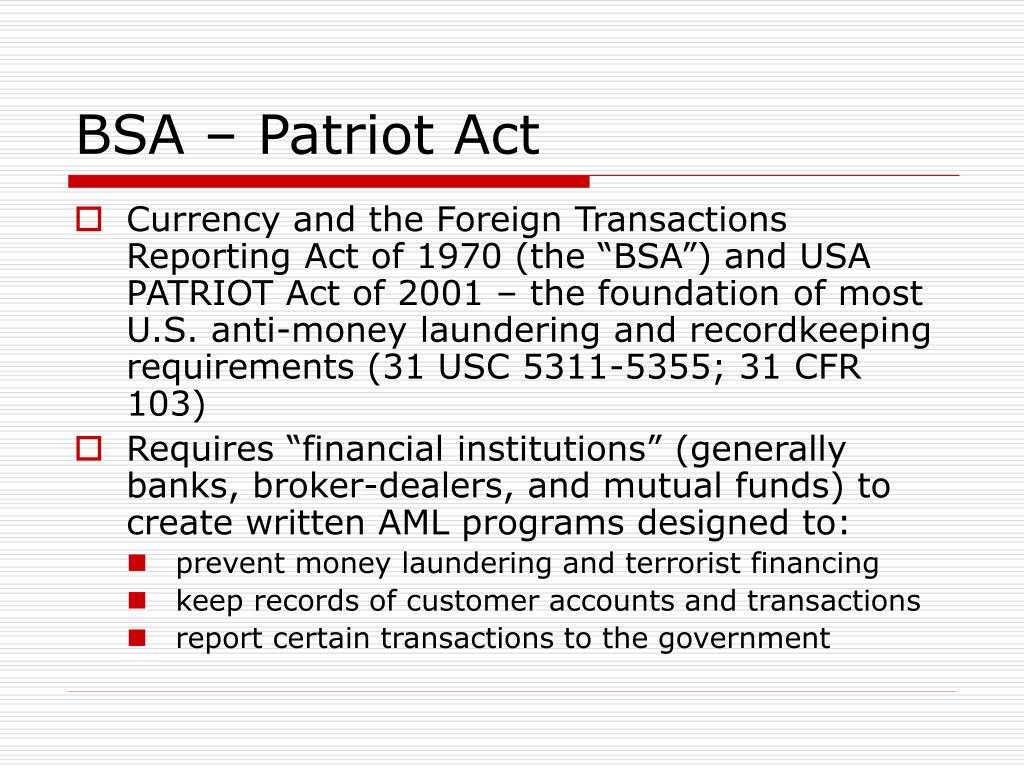
The Office of Foreign Assets Control (OFAC) is a critical entity within the U.S. Department of the Treasury, responsible for enforcing economic and trade sanctions against targeted foreign countries and regimes. Ensuring compliance with OFAC regulations is essential for businesses engaged in international trade and finance. advice on OFAC-related issues can help mitigate risks and navigate the complexities of these regulations.
What is OFAC?
OFAC administers and enforces economic and trade sanctions based on U.S. foreign policy and national security goals. These sanctions may include restrictions on transactions with specific countries, entities, or individuals. For businesses, understanding OFAC is vital to avoid hefty penalties and legal ramifications that can arise from non-compliance.
Key OFAC Regulations
Sanctions Programs
OFAC maintains a list of sanctioned countries and individuals, including the infamous Specially Designated Nationals and Blocked Persons (SDN) List. The list includes individuals and entities that U.S. persons are prohibited from engaging in business with. It’s crucial to stay updated on these lists as they frequently change.
Programs and Licensing
Some OFAC regulations permit certain transactions under specific licenses. Businesses must determine if their activities fall under general or specific licenses to ensure compliance. Failure to recognize the need for a license can lead to severe penalties.
Common OFAC Violations
Understanding potential violations is crucial for any business operating in today’s global economy. Common violations include:
- Engaging in transactions with sanctioned individuals or entities.
- Failing to block accounts or transactions involving blocked persons.
- Improperly handling funds that are subject to OFAC sanctions.
- Neglecting to conduct due diligence when entering new markets.
Advice on Avoiding OFAC Violations
1. Conduct Regular Compliance Training
All employees, especially those involved in compliance, finance, and international operations, should undergo regular training on OFAC regulations. This training should cover the importance of identifying sanctioned individuals and implementing necessary measures to avoid penalties.
2. Implement a Comprehensive Compliance Program
A robust compliance program includes policies and procedures that help identify and mitigate risks associated with OFAC regulations. This program should authorize a designated compliance officer who can oversee and update compliance practices regularly based on changes in the law.
3. Conduct Thorough Due Diligence
Before entering into agreements with foreign partners or clients, businesses must conduct thorough due diligence. This includes screening for potential OFAC sanctions, understanding the nature of the business, and checking ownership structures to avoid inadvertently dealing with sanctioned individuals.
4. Use OFAC Screening Tools
Various software tools are available that can automate the process of checking customers and transactions against OFAC lists. Implementing these tools can streamline compliance efforts and reduce the risk of human error.
5. Keep Up-to-Date with Regulatory Changes
OFAC frequently updates its regulations and sanctions lists, so it is essential to stay informed about these changes. Regularly check the OFAC website and subscribe to updates to remain compliant with evolving guidelines.
Penalties for Non-Compliance
The consequences for failing to comply with OFAC regulations can be severe, involving substantial fines and restrictions on business operations. Civil penalties can reach up to $300,000 or twice the amount of the transaction, while criminal penalties can include imprisonment and fines of up to $1 million. Moreover, the reputational damage can be irreversible for many companies.
Conclusion
Complying with OFAC regulations is not just about avoiding penalties; it’s about maintaining ethical standards and responsible business practices. By implementing comprehensive compliance measures and staying informed, businesses can navigate OFAC-related issues successfully and contribute positively to global economic relations.