


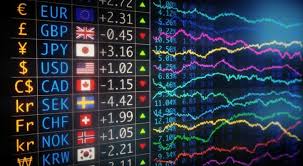
Forex trading, also known as foreign exchange trading, refers to the process of buying and selling currencies on the foreign exchange market, with the aim of making a profit. As one of the largest and most liquid financial markets in the world, Forex trading accommodates trillions of dollars in transactions every day. what is forex trading https://acev.io/ Understanding how Forex trading works is essential for anyone looking to venture into the world of currency trading. In this article, we will explore the fundamentals, mechanics, strategies, and tips for Forex trading that can enhance your trading experience.
What is Forex Trading?
Forex trading involves the exchange of one currency for another, and it is executed through a network of banks, financial institutions, and individual traders. The Forex market is unique because it operates 24 hours a day, five days a week, allowing traders from all over the globe to participate at any time. Unlike the stock market, which has set opening and closing hours, the Forex market is divided into major trading sessions that correspond to different global financial centers, such as London, New York, Tokyo, and Sydney.
The Mechanics of Forex Trading
To engage in Forex trading, you need to understand a few key concepts:
Currency Pairs
In Forex trading, currencies are traded in pairs. A currency pair consists of a base currency and a quote currency. For example, in the currency pair EUR/USD, the Euro (EUR) is the base currency, while the US Dollar (USD) is the quote currency. When you buy this pair, you are buying Euros and selling US Dollars.
Bid and Ask Price
The bid price is the price at which the market will buy a specific currency pair from you. Conversely, the ask price is the price at which the market will sell that currency pair to you. The difference between these two prices is known as the spread, which represents the broker’s profit from each trade.
Leverage and Margin
Leverage allows traders to control a larger position size with a smaller amount of capital. For example, with a leverage ratio of 100:1, a trader can control a position size of $100,000 by investing only $1,000. However, while leverage can amplify profits, it also increases potential losses, making risk management crucial in Forex trading.
Types of Forex Orders
Traders can place different types of orders to execute trades:
Market Orders
A market order is executed immediately at the current market price. It is the simplest type of order and is commonly used by traders looking to enter or exit a position quickly.
Limit Orders
A limit order is set to execute at a specific price or better. This order allows traders to enter or exit positions at predefined levels, providing a level of control over the trade execution.
Stop Orders
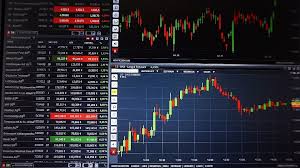
A stop order becomes a market order once the specified price is reached. It is often used to limit losses or protect profits on existing positions.
Strategies for Successful Forex Trading
Successful Forex trading requires a combination of strategy, discipline, and emotional control. Here are some popular trading strategies:
Day Trading
Day trading involves opening and closing trades within the same trading day to capitalize on short-term market movements. Day traders often use technical analysis to identify potential entry and exit points.
Swing Trading
Swing trading is a medium-term strategy that involves holding positions for several days to capitalize on anticipated price movements. Swing traders typically rely on a mix of technical and fundamental analysis to make informed trading decisions.
Scalping
Scalping is a high-speed trading strategy where traders aim to make small profits from multiple trades throughout the day. Scalpers often use leverage to enhance their returns but must be quick and decisive in their trading approach.
Risks of Forex Trading
While Forex trading can be lucrative, it is also associated with significant risks. Some common risks include:
Market Risk
Market risk refers to the potential loss due to unfavorable price movements in the Forex market. Price volatility can be influenced by various factors, including economic data releases, geopolitical events, and market sentiment.
Leverage Risk
High leverage can lead to amplified losses. Traders must be cautious and use appropriate risk management techniques to mitigate the potential for significant losses.
Counterparty Risk
Counterparty risk refers to the possibility of a broker defaulting on their obligations. Choosing a reputable and regulated broker is essential to minimize this risk.
Conclusion
Forex trading offers exciting opportunities for profit, but it is essential to approach it with caution and a well-defined strategy. Understanding the mechanics of the Forex market, developing solid trading strategies, and implementing effective risk management practices are crucial for success. As you embark on your Forex trading journey, educate yourself continuously, practice with a demo account, and remain disciplined in your approach. With time and experience, you can navigate the complexities of the Forex market and work towards achieving your trading goals.