



For anyone in Canada playing Cash or Crash Live, that exciting climb of the payout multiplier is hard to beat https://cashorcrash.ca/. But what takes place when you match that thrill with a little of stats? Transitioning from instincts to a fact-based approach can alter how you gameplay. This article examines the actual resources and methods for monitoring stats. These can provide you a better understanding of trends, enable you control your gameplay, and promote more informed decisions during the real-time game.
How Statistical Analysis Is Important for Live Game Shows
A game like Cash or Crash Live appears like pure luck. The multiplier goes up, it crashes, and the suspense is live. Yet every single round produces information: the exact point it crashed, how long each segment lasted, the colors that appeared. Analysis tools sift through this data to present frequencies and distributions. For a Canadian player who likes to think things through, this isn’t about discovering a secret formula to win every time. It’s about creating a more disciplined and clear-eyed approach to how you play and how you handle your money.
Getting a grip on statistical tendencies helps set realistic expectations. It removes the mystery out of randomness by assigning numbers to it. This understanding aids in crafting personal tactics, like deciding where to set an auto-cashout or identifying when a session is particularly volatile. The shift is meaningful: you go from just observing things happen to participating with more awareness. That mindful approach is a core principle of responsible gaming here in Canada.
Key Metrics to Track in Cash or Crash Live
Effective tracking begins by knowing what to track. The critical number is the multiplier for every round. Recording this reveals the pattern. You’ll see how frequently the game stops on a low crash point in contrast to those infrequent, big wins. Another useful metric is the sequence of color segments. You might identify short-term patterns in the green, yellow, red, and blue segments, even though each result is unrelated.
Don’t forget to record your own results. This involves your W/L ratio per play session, your average cash-out multiplier, and your total return over many games. Measures about your discipline are just as crucial. Did you adhere to your pre-set loss limit? Did you actually stop after hitting a win goal? Monitoring these aspects is what ensures long-term viability for the long haul.
The Misconception of Patterns in Results and Genuine Randomness
Let’s clear up a common misconception straight away. In a truly random game, past results do not influence the future. No statistical tool can predict when the next round will crash. Its purpose is to reveal the overall tendency of the game’s engine. Canadian players need to remember this: a streak of ten low multipliers does not make a high one ‘due.’. That’s simply a streak, which is an expected occurrence of a vast number of random results.
The human mind are designed to find patterns where none exist, a quirk called apophenia. Analytical methods fight this instinct by serving up plain data. They show that while streaks arise, they still exist inside a context of randomness. This factual understanding is a strong defense against recovering losses or falling for superstitions. It fosters healthier behaviors at the game.
Responsible Gambling and the Limits of Analysis
Useful as they are data tools are, they need to sit within the non-negotiable framework of responsible gaming. For Canadian players, understanding the boundaries of data is as crucial as applying its information. No data analysis can negate the casino’s edge or guarantee profits in a game of chance.
The chief aim of these tools should be to enhance your knowledge and encourage discipline, not to hunt for a nonexistent “winning system.” Bear in mind that all legal live casino games in Canada, including Cash or Crash Live, use verified Random Number Generators for their basic outcomes. This ensures each event is random and unbiased. Statistical records describe what already happened. They don’t command what happens next.
Data as a Guide, Not a Crystal Ball
The key point is: statistical analysis gives you a guide to probabilities, not certainties. It reveals what *could* take place and the rate at which it *has* occurred. It fails to indicate what *is* coming next. Mistaking chance for guarantee is a recipe for disaster. Players in Canada should use data to manage their expectations and their bankroll, not to try and beat the random number generator.
A positive mindset with data means accepting variance. Even if you have a perfectly accurate historical distribution, your near-term performance will swing wildly away from the average. A solid strategy plans for these expected variations. It never involves chasing losses in a misguided attempt to push the statistics back to their theoretical average.
Merging Tools with a Balanced Mentality
The endgame is to incorporate analytical tools into a balanced and healthy gaming mindset. This involves establishing clear limits on time and losses before you start gaming. Regard any wins as a nice bonus. Do not gamble with money you require for rent, bills, or groceries. Players in Canada have access to excellent safe play resources. Utilizing statistics should be used alongside these tools, not replace them.
If tracking data or crunching numbers starts to seem like work, causes anxiety, or triggers fixation about the game, take a break. The casino live show is meant to be fun and interactive. Data analysis tools should serve that enjoyment by offering a dimension of strategic depth. They shouldn’t become a origin of anxiety or delusion.
Kinds of Analysis Instruments and Tracking Methods

Canadian users have numerous various methods for studying Cash or Crash Live records. You can start with basic paper logs to more advanced programs. Your best pick is based on your level of tech proficiency and how much time you want to invest. The goal is always the same: obtain valuable knowledge while preserving the excitement from the game’s anticipation and community atmosphere.
Manual Tracking and Tables
The quickest approach to start is by logging data on your own. Grab a notepad or use an electronic sheet in Google Sheets or Excel. Note the data of each round. Basic columns should consist of Game Number, Crash Rate, and Color Segment. As time passes this accumulation of data grows to be extremely useful. If you are familiar with some calculations, your spreadsheet can automatically work out medians, occurrences, and even create visualizations of the data patterns.
This manual approach offers an additional advantage: it encourages focus and thoughtful gameplay. The simple act of writing down each round slows the pace, providing time to think before your next move. It transforms into a personal record that documents more than just data, but also how your tactics and your responses developed with experience. That’s gold for truthful reflection.
Third-party Tools and Browser Add-ons
If you’d rather mechanize the procedure, consider outside analytics tools and browser extensions. These tools work in the background, recording game data straight from the gaming interface. They produce up-to-the-minute data, bar graphs of bust points, and graphs of current tendencies without manual effort. This saves countless hours and allows you focus on the actual gameplay.
Users in Canada must exercise caution in this regard. Do your homework prior to installation any external applications. Only use tools from trusted sources, and verify they adhere to the casino’s terms and conditions. Security should be your top priority. Such programs must not demand your login details or disrupt the game client beyond capturing what is already shown on your display.
Public Data Collectors and Discussion Boards
There is strength in numbers. Various sites and communities aggregate round data from countless sessions, contributed by players worldwide. Analyzing these vast collections of shared data can reveal a much sharper image of the game’s statistical model than one person could assemble on their own.
For those in Canada, participating in such forums gives two perks. You gain entry to a vast amount of data, and you can discuss strategies with fellow players. Such discussions can introduce you to various methods of analyzing statistics and highlight frequent errors. It’s an excellent method to expand your knowledge. Just be sure to check the credibility of the source before you take its data as gospel.
Applying Statistical Insights to Playing Strategy
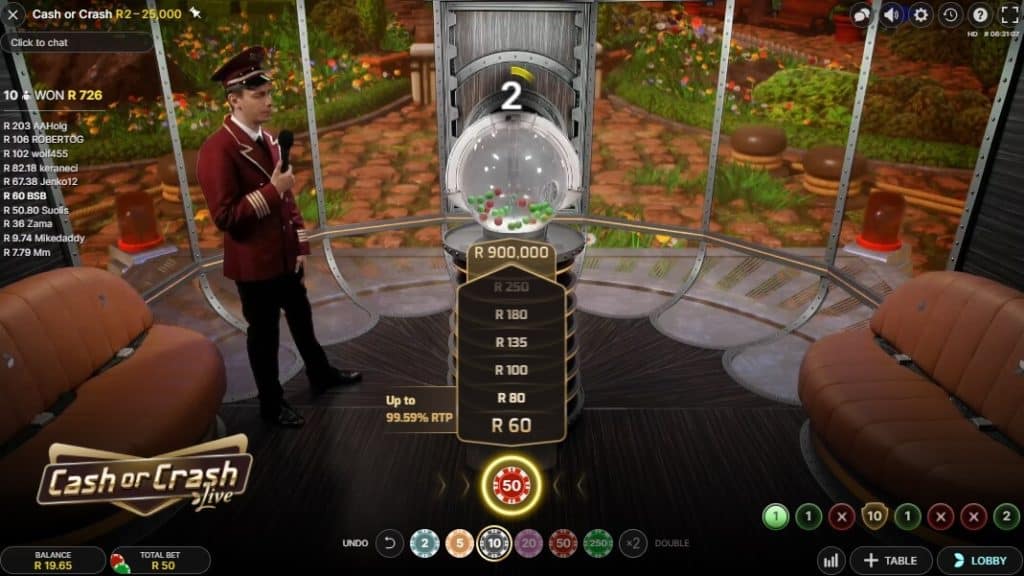
Collecting data is only step one. The actual payoff comes from leveraging it prudently. Let statistical insights guide your strategy, not dictate rigid commands. The key idea for Canadian players is to use facts to reinforce disciplined money management and personal goals. This brings a layer of control to a game that’s essentially based on chance.
Fund Management and Risk Assessment
Analyzing your win rates and multiplier distributions directly contributes into sensible bankroll management. When you grasp how regularly different outcomes pop up, you can more effectively evaluate the risk of your bet sizes. For example, your data might show that a 10x multiplier occurs about once every 20 rounds. That insight enables you to calibrate your bets so you can weather the expected dry spells without blowing your budget.
This numbers-based approach to bankroll management is a key part of playing responsibly. It prompts you to regard your gaming funds as a set budget for entertainment, not an investment for certain growth. Setting session limits based on statistical expectations, rather than on a hot streak or a gut feeling, is a wise move for any player.
Setting Informed Cashout Points
One of the simplest uses of data analysis is picking your auto-cashout multipliers. By reviewing the past distribution of crash points, you can assess the probability of the game reaching certain points. Suppose your data indicates the multiplier crashes before reaching 2x about roughly half the time. You might decide that an auto-cashout at 1.9x will lock in regular, smaller wins.
Conversely, a player willing to take more risk might go for less common but larger multipliers, like 5x or 10x, aware they’ll come less frequently. The point is that the decision is derived from historical frequency, not a random guess. This allows Canadian players consciously match their play style to their individual appetite for risk and return.
Identifying Volatility and Session Scheduling
Statistical tools can assist you identify high-volatility periods. These are swings between high and low multipliers. Other times, the game might appear more consistent. A subset of players seek out risky periods for a aim for large payouts. Some prefer more stable rounds. Monitoring could show some loose patterns in session volatility, but this isn’t a predictive science.
What’s more, reviewing your gameplay data can show you your best session length. If your personal data indicates you begin to act impulsively once about 45 minutes have passed, use that insight. Define a clear duration. This level of introspection, derived from your personal data, is a practical tool for keeping your play both enjoyable and controlled.
Getting Started with Your Personal Data Tracking
Starting a data-tracking habit for Cash or Crash Live is simple. Canadian players can begin for free. The secret is to stay consistent and have a clear motivation. Keep it simple initially, concentrate on some critical metrics, and let your method develop as you find out which details really aid your individual approach to the game.
A Basic Starter Template
To start, open a new spreadsheet. Set up columns for: Date/Time, Round Number, Bet Amount, Your Cashout Multiplier (or write “Crashed”), Game Crash Multiplier, and Remarks. During your initial 100 rounds, just collect the data. Next, use elementary calculations to determine averages and construct a straightforward bar graph. Show how many times the game crashed within certain ranges. For example 0-1x, 1-2x, 2-5x, and 5x or more.
This starting data will rapidly demonstrate the game’s basic shape. Don’t overlook the “Notes” column. Employ it for subjective reflections. Were you impatient? Did you veer from your planned approach? Combining these qualitative notes with the hard numbers gives you a complete view of your gameplay. That is extremely valuable for improving both your strategy and discipline.
Evolving One’s Analytic Approach
Once you’re comfortable, you can include more granular data points. Calculate your payout to user for a session by calculating the ratio of money returned to money staked. Track your performance on different days of the week or at different times of day. Search for connections between your mood recorded in notes and the quality of your choices.
Your data tracking system should develop as your knowledge increases. The goal isn’t to build a massive, overwhelming database. The purpose is to build a tailored display that showcases the metrics that are most relevant to you. Maybe your goal is to make your session last longer. Perhaps you aim to reach certain multiplier goals. Or perhaps you just wish to maintain a fixed entertainment spending limit. Make your record-keeping reflect that objective.
Strengthening the Canadian Player
Statistical analysis and tracking tools give Canadian Cash or Crash Live players a effective way to get more from the game. By turning raw outcomes into understandable data, you can cultivate a more organized, informed, and ultimately more fulfilling approach. This process uncovers the game’s mechanics and reinforces the habits of attentive play and smart bankroll management.
The path from occasional viewer to an strategic participant is a rewarding one. It adds a rich layer of strategy to the live thrill. Never overlook, though, that the heart of the game is its unpredictable excitement. Use statistics as a perspective to analyze the show’s dynamics and your own patterns. Always place responsible gaming at the forefront. For players from Vancouver to Halifax, this measured approach keeps the experience enjoyable, engaging, and firmly under your control.