


Designing casinos The intersection of architecture and entertainment
The Essence of Casino Architecture
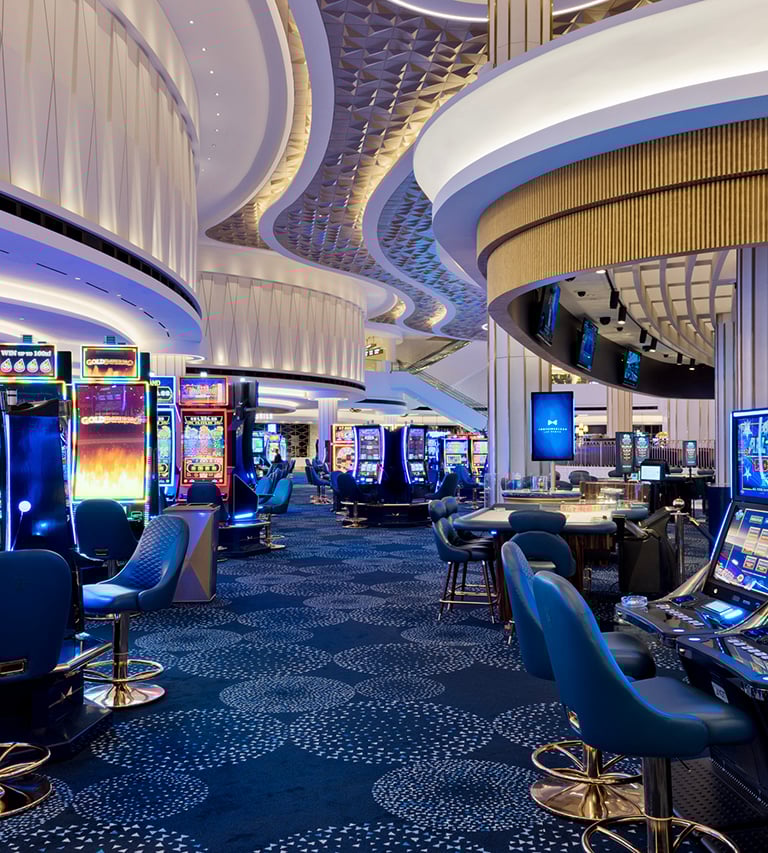
The design of a casino extends far beyond the mere arrangement of gaming tables and slot machines; it encapsulates an intricate blend of architecture, psychology, and entertainment. Casinos are often conceptualized as immersive environments that transport guests into a world of excitement and luxury. A well-designed casino creates a sense of awe and wonder, where each architectural element serves a purpose, guiding the flow of visitors and enhancing their experience. The use of grand spaces, high ceilings, and open layouts encourages exploration and fosters social interaction among guests. To explore more about this fascinating world, visit stake-roulette.ca, where you can learn various strategies and insights.

Moreover, architectural choices in casinos often reflect the cultural identity and thematic aspirations of the establishment. For instance, the Venetian-inspired designs of Las Vegas casinos evoke a sense of European elegance, while modern establishments might embrace sleek lines and minimalist aesthetics. The integration of natural elements such as light, water features, and greenery has also become a popular trend, contributing to a more serene and inviting atmosphere. This thoughtful design not only elevates the visual appeal but also enhances the overall enjoyment of the gaming experience.
Ultimately, casino architecture is a key player in establishing a memorable destination. It goes beyond functionality to create an environment that captivates the senses and keeps visitors engaged. The architecture serves as a silent yet powerful communicator of the casino’s brand identity and values, making it crucial for designers to consider how each element contributes to the overall guest experience.
The Role of Entertainment in Casino Design
Entertainment is at the heart of the casino experience, and its integration into the design is essential. Modern casinos are evolving into comprehensive entertainment hubs, featuring not only gaming but also live shows, concerts, restaurants, and bars. This trend reflects a shift from traditional gambling establishments to dynamic environments that cater to diverse interests. By creating multipurpose spaces that can host different forms of entertainment, casinos can attract a broader audience, increasing foot traffic and dwell time.
Architects and designers must think creatively about how to blend these different elements seamlessly. For instance, stages for performances must be positioned thoughtfully to ensure visibility from various vantage points, while dining areas should provide a lively atmosphere without compromising the gaming experience. Successful casinos often include versatile spaces that can adapt to changing needs, allowing for everything from intimate gatherings to large-scale events. This flexibility in design ensures that the venue remains relevant and appealing over time.
The intersection of entertainment and architecture in casinos creates a holistic environment where guests can indulge in various experiences. As a result, it is vital for casino designers to remain attuned to emerging trends and technologies, ensuring that their venues not only meet current demands but also anticipate future preferences. This forward-thinking approach guarantees the casino remains a preferred destination for entertainment seekers.
Creating Luxury Experiences for High Rollers
The design of high-roller experiences within casinos is crucial in attracting affluent clients who seek exclusivity and luxury. These exclusive areas are meticulously crafted to provide an unparalleled level of comfort and service, often featuring private gaming rooms, personalized services, and upscale amenities. Architects focus on creating intimate, opulent spaces that cater to the unique needs of high-stakes players, ensuring every detail is attended to and that the experience feels bespoke.
Moreover, the architecture of these high-limit areas typically incorporates high-end materials, sophisticated furnishings, and stunning design elements that evoke a sense of prestige. Private lounges may offer views of the gaming floor or outdoor vistas, enhancing the lavish atmosphere. Creating a sense of privacy is also paramount; thus, soundproofing and exclusive access points are integral components of the design, allowing high rollers to enjoy their gaming experience without distractions.
Additionally, the integration of technology plays a significant role in enhancing luxury experiences. Smart systems that cater to individual preferences—from personalized lighting to tailored entertainment options—ensure that each high-roller’s visit is unique and memorable. By prioritizing the needs and desires of affluent guests through thoughtful design, casinos can cultivate loyalty and encourage repeat visits, solidifying their status as premier destinations in the competitive landscape of entertainment.
The Impact of Sustainable Design in Casinos
As awareness of environmental issues grows, the casino industry is increasingly embracing sustainable design practices. Architects are now tasked with creating buildings that not only delight visitors but also minimize ecological impact. This shift towards sustainability involves utilizing energy-efficient systems, incorporating renewable energy sources, and selecting eco-friendly materials. By adopting these practices, casinos can reduce their carbon footprint while also appealing to environmentally conscious consumers.
Another important aspect of sustainable design in casinos is water conservation. Features such as efficient plumbing systems, rainwater harvesting, and drought-resistant landscaping contribute to a more responsible use of natural resources. Additionally, casinos are exploring ways to integrate green spaces into their architecture, which not only enhances aesthetic appeal but also promotes well-being among guests. These green initiatives serve as a powerful marketing tool, positioning the casino as a forward-thinking establishment that cares about the planet.
Ultimately, sustainable design represents a win-win scenario for casinos, where both profitability and environmental responsibility can coexist. By prioritizing sustainability, casinos are not only contributing positively to their communities and the planet but also attracting a demographic that values eco-friendly initiatives. This focus on green architecture is likely to become a defining characteristic of future casino designs, influencing not just aesthetics but also operational practices.
Exploring the Future of Casino Design
The future of casino design promises to be an exciting blend of technology, innovation, and creativity. As virtual reality and augmented reality technologies advance, casinos are beginning to incorporate these elements into their designs, offering immersive gaming experiences that transcend traditional boundaries. This technological integration allows for interactive environments where guests can engage with games in entirely new ways, catering to a generation that demands novelty and engagement.
Moreover, the trend of personalization in design will continue to shape how casinos are conceptualized. The ability to leverage data analytics to understand guest preferences enables casinos to tailor experiences more effectively, from customized gaming options to personalized marketing strategies. This focus on the individual enhances customer satisfaction and fosters loyalty, crucial for long-term success in an increasingly competitive landscape.
As the casino industry continues to evolve, the emphasis on creating multifaceted experiences will remain paramount. The combination of traditional gaming with entertainment, dining, and social interaction will define the next generation of casino design. By staying ahead of trends and embracing innovation, architects and designers can ensure that casinos remain vibrant and relevant destinations that continue to captivate the imagination of visitors.