


The Allure of Risk and Reward
The psychology behind gambling is deeply rooted in the allure of risk and the potential for reward. When individuals step into a casino, they are often drawn by the prospect of winning significant sums of money with minimal effort. This attraction is amplified by the intermittent reinforcement provided by games of chance. Players experience a rush of excitement when they win, and this feeling can become addictive, encouraging them to continue playing in hopes of replicating that high. Additionally, many seek out the best online pokies to enhance their gaming experience, as the thrill of taking risks taps into our natural instincts, making gambling a uniquely engaging experience.
This interplay of risk and reward can be understood through behavioral psychology. The concept of ‘variable ratio reinforcement’ explains why players might keep betting despite losing streaks. When a player wins unexpectedly, their brain releases dopamine, a neurotransmitter associated with pleasure and reward. This response can be so strong that it encourages continuous gambling even when logic suggests they should stop. The casino environment is designed to heighten these feelings, with bright lights, enticing sounds, and a palpable sense of excitement that creates a stimulating atmosphere.
Moreover, the social environment within casinos plays a significant role in enhancing the psychological experience of gambling. Interactions with other players and casino staff can create a sense of community and shared experience. This social validation can amplify emotions and lead to a stronger desire to participate in gambling activities. For many, the casino becomes not just a place of chance but a social hub where the excitement of gambling intertwines with social interaction, making it a more fulfilling experience on multiple levels.
The Role of Environment and Design
The architectural and design choices made in casinos are meticulously crafted to influence player behavior and enhance the gambling experience. From the moment patrons enter, they are enveloped in a carefully constructed environment that promotes prolonged engagement. Features such as the absence of clocks, the use of vibrant colors, and the strategic placement of gaming machines are all psychological tactics aimed at keeping players inside. This sensory overload can lead to a distorted sense of time, causing individuals to lose track of how long they have been gambling.
Lighting is another critical element in casino design. Bright, flashing lights draw attention to the gaming tables and machines, creating an atmosphere of excitement and urgency. This design choice not only makes the space visually stimulating but also reinforces the idea that something fantastic could happen at any moment. The sounds of coins clinking, bells ringing, and cheers from winners further compound the sensory experience, encouraging players to continue their gambling activities in hopes of experiencing the thrill of a jackpot.

Furthermore, the layout of a casino is intentionally created to maximize player engagement. Games are typically clustered together, making it easy for players to shift from one game to another without leaving the area. This strategy encourages a flow of activity, keeping players immersed in the gambling experience. By understanding how environmental factors influence behavior, casinos can create spaces that are not only enticing but also psychologically compelling, leading to increased time and money spent by players.
Cognitive Biases and Decision-Making
The psychology of gambling also intersects with cognitive biases that affect decision-making. One prominent bias is the ‘Gambler’s Fallacy,’ where individuals believe that past events influence future outcomes in games of chance. For example, a player may think that because a particular number hasn’t come up recently, it is ‘due’ to appear soon. This misconception can lead to poor decision-making and a commitment to continued play, even when the odds are not favorable. Such biases can distort a player’s expectations and lead to irrational betting patterns.
Another cognitive bias prevalent in gambling is the ‘illusion of control.’ Players often overestimate their ability to influence the outcome of games, particularly in skill-based games like poker. This belief fosters a sense of confidence that can lead to increased betting and risk-taking. For instance, a person may feel that their strategies or skills can outsmart the odds, creating a false sense of security that can lead to substantial losses over time. Recognizing these cognitive biases is crucial for both players and casino operators, as it can inform responsible gaming initiatives.
Additionally, the impact of emotional states on gambling behavior cannot be overstated. Emotions such as excitement, anxiety, or even sadness can significantly shape how players approach gambling. When in a heightened emotional state, individuals may gamble more impulsively, leading to decisions that they would not make in a calmer mindset. Casinos capitalize on this by creating an atmosphere that heightens emotions, encouraging players to act on impulse rather than reason. Awareness of these psychological factors is essential for gamblers aiming to maintain control over their gaming habits and make informed choices.
The Impact of Addiction and Recovery
Gambling addiction is a serious psychological issue that affects many individuals, often leading them to engage in risky behaviors that can have devastating consequences. The factors contributing to gambling addiction are multifaceted, encompassing genetic predispositions, psychological vulnerabilities, and environmental influences. Understanding the psychology of gambling can be crucial for both prevention and recovery efforts, as it sheds light on the motivations behind compulsive gambling behaviors. Recognizing the signs of addiction early can be vital for effective intervention.
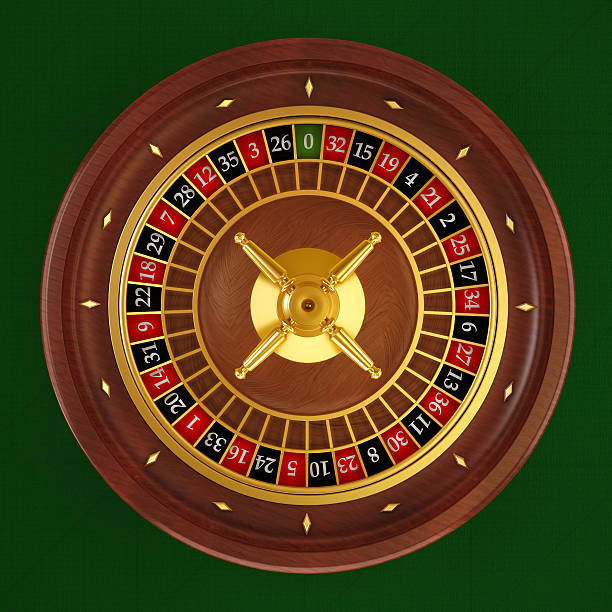
The cycle of gambling addiction typically begins with the excitement of winning, which can quickly spiral into negative consequences. Many individuals find themselves caught in a loop, continually chasing losses in an effort to recover their finances. This behavior is driven by the same psychological principles that initially attracted them to gambling, such as the release of dopamine and the influence of cognitive biases. Recognizing these triggers is a critical step in developing healthier coping mechanisms and strategies for recovery, as individuals learn to identify when their gambling is becoming problematic.
Recovery from gambling addiction often requires a combination of therapeutic interventions and support systems. Cognitive-behavioral therapy (CBT) has proven effective in helping individuals reframe their thought patterns and develop better decision-making skills when it comes to gambling. Support groups also play a pivotal role in recovery, providing a safe space for individuals to share their experiences and struggles. By addressing the psychological roots of gambling addiction, individuals can work towards reclaiming control over their lives and fostering healthier habits in the long term. This process can be challenging, but the support of professionals and peers can make a significant difference.
A Resource for Understanding Gambling Psychology
For those seeking to delve deeper into the complexities of gambling psychology, various resources offer insights and support. Websites dedicated to education on gambling behaviors and addiction can be invaluable for individuals, families, and professionals looking to understand the various psychological aspects at play. These resources provide research, articles, and tools designed to foster awareness and prevention strategies, helping to demystify the psychological triggers associated with gambling.
Furthermore, engaging with community organizations that focus on gambling support can provide not only educational materials but also therapeutic options for those impacted by gambling issues. By fostering collaboration between experts in psychology and individuals affected by gambling, these platforms aim to raise awareness and promote healthier gambling practices. Such initiatives can empower individuals to make informed choices about their gambling activities, contributing to a more informed public regarding the risks involved.
Ultimately, understanding the psychology of gambling in casinos can empower individuals to make informed choices. Whether looking to enjoy the excitement of playing games or seeking help for gambling-related issues, being aware of the psychological factors at play is essential. By harnessing available resources and support systems, individuals can navigate the complexities of gambling with greater knowledge and control. This understanding not only benefits players but also contributes to a healthier gambling environment for everyone involved.